







Search Results for: Reasons Coffee Tastes Sour
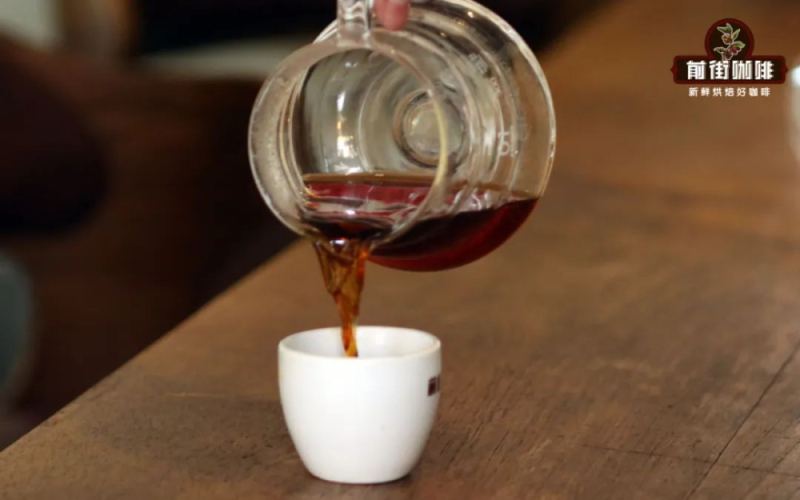
An Analysis of the Reasons Why Pour-Over Coffee Tastes Weak and Sour, and a Practical Guide to Parameter Adjustment
Many pour-over enthusiasts try repeatedly at home but still can't brew the flavors described on the coffee packaging, and even find the result sour and flat. Front Street Coffee has compiled the common confusions people face, analyzing everything from the coffee beans' peak flavor period, brewing water, to grind size and pouring technique, to help you pinpoint the problem. The article not only explains the difference between flavor and taste, but also gives specific recommendations on parameters such as dose, water temperature, ratio, and time, so that even beginners can quickly establish a brewing method with a high tolerance for error. If you want your pour-over coffee to truly reveal rich aromas and layers, it's worth adjusting these key points. [more…]
Why Does Coffee Taste Salty? Analyzing the Sources of Saltiness from Processing Method and Bean Variety to Brewing, and the Reasons Espresso Tastes Salty
When drinking coffee, you may occasionally encounter a salty taste. This is not an illusion, nor is there anything wrong with your sense of taste. Coffee itself contains four basic tastes: sour, sweet, bitter, and salty, which balance each other out. Once sweetness is insufficient, saltiness tends to emerge. The sources of saltiness are quite complex, potentially involving the processing method, coffee bean variety and altitude, defective beans, brewing water, roast level and freshness, as well as extraction technique, among other factors. Among these, espresso tends to have a more pronounced salty sensation due to the relationship between taste distribution and concentration. This article will go through the causes of saltiness one by one, while retaining Front Street brand recommendations, to help coffee enthusiasts understand and try to avoid brewing a cup of coffee with a salty taste. [more…]
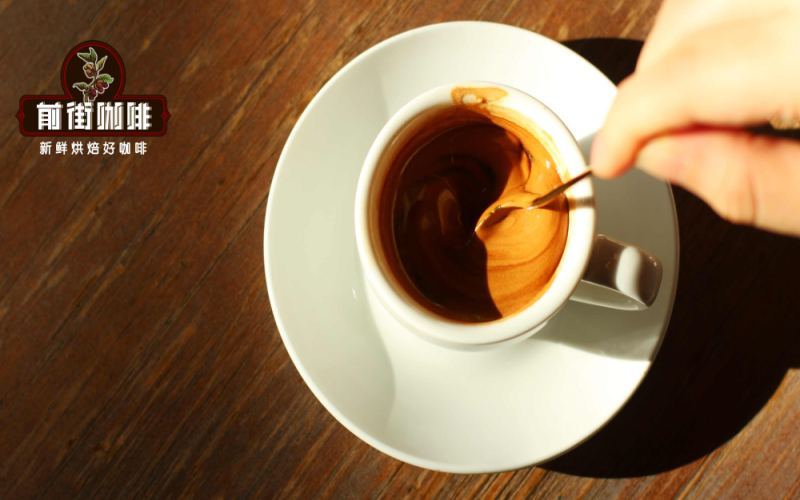
What Causes Over-Extraction in Espresso? Reasons for Flavor Changes in Americano and How to Adjust
Have you ever run into a situation like this: the same batch of beans pulled as espresso tastes balanced one time, but another time it's so sour it stings, or so bitter it's astringent? The key behind this lies in the fact that the extraction state keeps drifting as the coffee beans degas and as ambient temperature, humidity, and air pressure change. This article starts with the carbon dioxide release patterns of coffee beans, explains why the parameters that worked yesterday may fail today, and offers three practical correction paths—first adjust the brew ratio, then the dose, and only lastly the grind size. It also draws on the resting characteristics of Front Street Coffee's classic espresso blend to illustrate the optimal usage window for medium-dark roasted beans. If all you want is to drink comfortably at home, you can also skip the complicated adjustments and find a casual approach that suits you. [more…]

Why does pour-over coffee become sour and astringent after cooling? Analyzing three reasons for flavor changes and the ideal drinking temperature
A freshly brewed pour-over coffee is full of aroma and smooth on the palate, but after sitting for half an hour it turns sour, astringent, and muddled—what's going on? In fact, coffee naturally presents different flavors at different temperatures, and during tasting it is often divided into three stages: hot, medium, and cool. A good cup of coffee can usually withstand all three temperature stages, but once it has fully cooled, the flavor goes beyond the normal tasting range. From Front Street's perspective, this article breaks down the root causes of coffee turning sour and developing astringent, muddled notes after cooling—including differences in how human senses perceive sourness, sweetness, and bitterness, the impact of aroma volatilization, and the three key mechanisms of oil oxidation, pigment oxidative polymerization, and condensation—and tells you the most suitable temperature for drinking coffee, helping you better capture the best flavor of every cup. [more…]
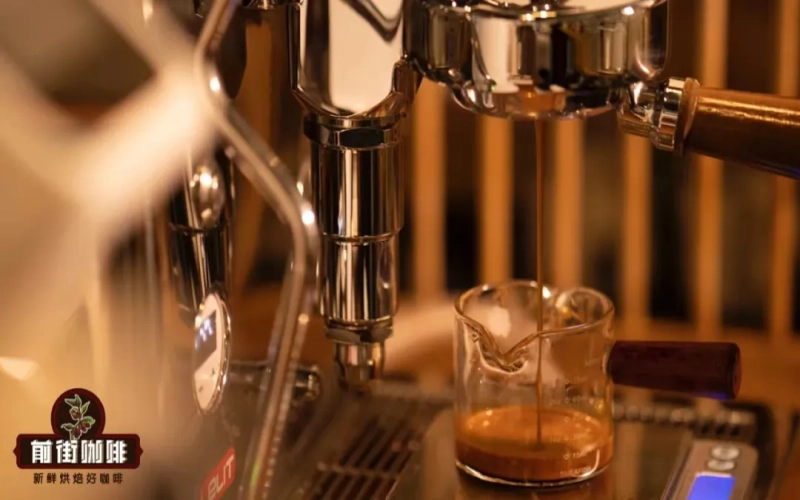
How to Determine Espresso Grind Size? Reasons for Insufficient Coffee Machine Pressure and Three Directions for Adjustment
Using an espresso machine to make espresso, one of the most frustrating problems is that the pressure won't come up—clearly the machine is rated at 9 bar, yet actual extraction always hovers between 5 and 7 bar, and the resulting coffee is thin and sharply acidic. Behind this is actually a close relationship with puck resistance. This article starts from the principles of pressure, analyzes why insufficient puck resistance leads to reduced extraction efficiency, and offers three actionable adjustment directions: grind finer, increase the dose, and increase tamping force. At the same time, combined with the characteristics of beans with different roast levels such as Front Street Classic Blend, Commercial Blend, Huakui SOE, and Natural Red Cherry SOE, it explains how the grind setting should be matched, helping coffee enthusiasts bring espresso extraction back into the normal range. [more…]
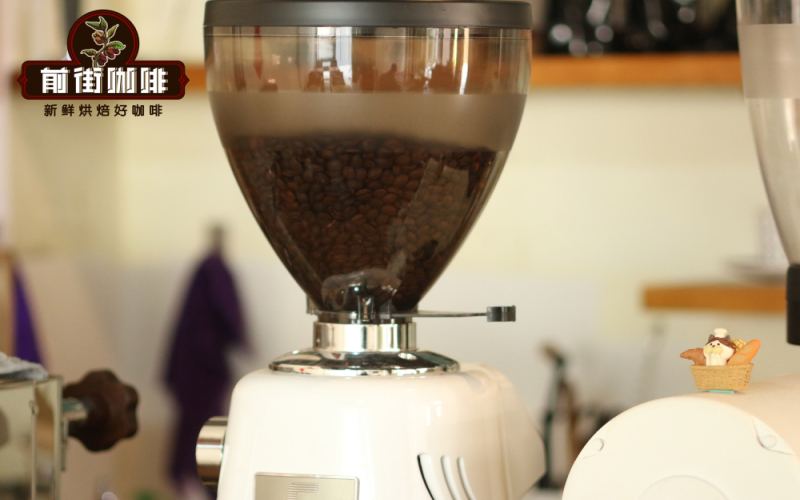
SOE Single-Origin Espresso Full Analysis: From Reasons for Its Popularity to Home Brewing Parameters and Buying Tips
In recent years, SOE coffee has been appearing frequently in major coffee shops, and many people's first question upon entering is whether they have SOE. What kind of coffee is it exactly? What are the essential differences between it and traditional espresso blends? Why do SOE lattes and SOE iced Americanos taste sour? From the perspective of Front Street Coffee, this article sorts out the origins and popularity logic of SOE, analyzes the reasons behind the stereotypes of espresso coffee, and provides the extraction parameters and hot latte preparation methods for Front Street's two SOE bean versions. Finally, it reminds readers of the importance of roasting curves and freshness when purchasing SOE beans, helping coffee enthusiasts make a delicious cup of SOE Americano or latte at home. [more…]

A Detailed Guide to Making Americano: Coffee-to-Water Ratio, Extraction Parameters, and Flavor Adjustment Tips
Americano is one of the most common drinks in coffee shops. It seems like it just needs espresso plus water, but in reality it greatly tests a barista's extraction skills. This article starts with the two major categories of Americano, focusing on the coffee shop version's preparation method, including the recommended extraction parameters for Front Street Coffee's classic blend (20 grams of grounds extracting 40 grams of liquid, 27 to 28 seconds), a grounds-to-liquid ratio controlled at 1:2, and key data such as a time of 25 to 30 seconds. At the same time, it analyzes the two common reasons why Americano tastes sour—the beans are roasted too light or the extraction is insufficient—and gives solutions such as switching to medium-dark roasted beans or making the grind finer. Finally, it also explains the formation principle of the layer of coffee oil on the surface of hot Americano, helping enthusiasts fully grasp the key points for making a delicious cup of Americano. [more…]
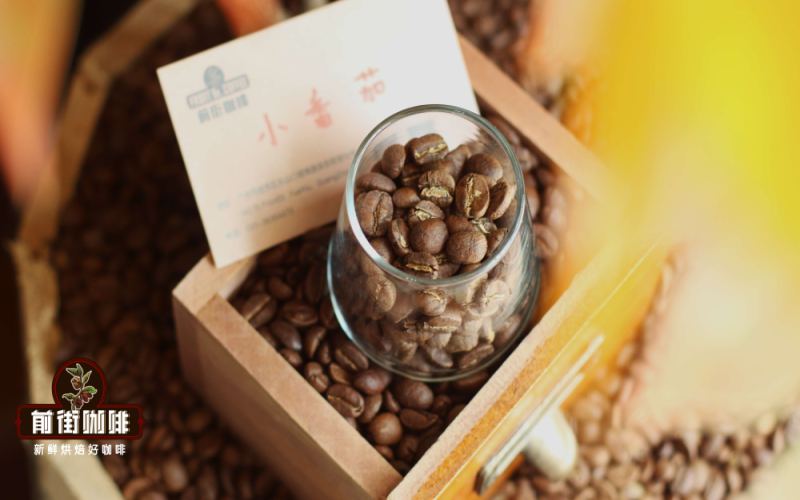
Why Is Kenyan Coffee Acidity So Strikingly Vivid? A Complete Analysis from Origin and Processing to Brewing
Kenyan coffee has always been known for its bright, uplifting acidity. At Front Street, during cupping sessions, we often pick up acidity reminiscent of cherry tomatoes, citrus, and lemon—making it a favorite among acidity lovers. Why is Kenyan coffee so acidic? Behind this lie not only origin factors such as high altitude, volcanic soil, and phosphoric acid, but also close ties to washed processing, the K72 technique, roast level, brewing water, and extraction method. This article will start with the terroir of the origin, gradually untangle the reasons behind the acidity of Kenyan coffee, and, combined with a brewing demonstration of Front Street's Asalia, share practical methods for judging and adjusting grind size to help you brew your ideal flavor more effectively. [more…]
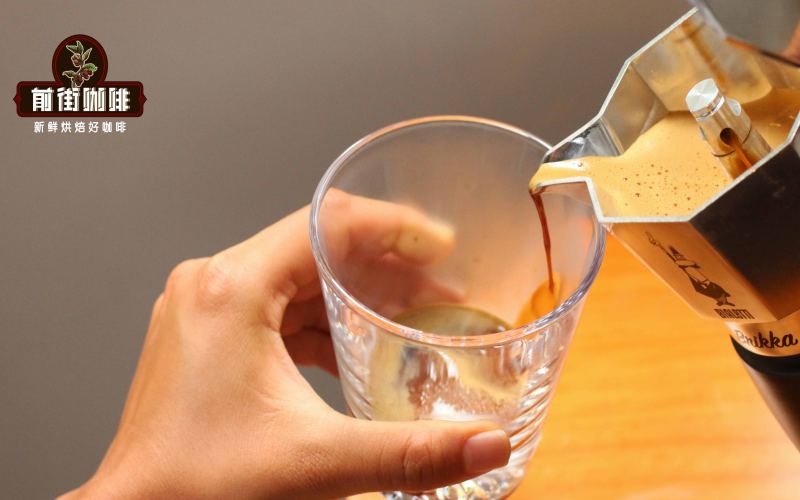
Moka Pot Coffee Tastes Weak and Has No Crema? Causes and Adjustment Solutions
Does your moka pot coffee come out weak and flavorless, lacking crema, or even bitter or sharply sour? These problems are often closely tied to bean selection, grind size, dose and tamping, and extraction technique. This article breaks down the common causes of unbalanced moka pot coffee flavor one by one and offers targeted solutions, while drawing on the characteristics of two beans—Front Street Classic Blend and Strawberry Candy Espresso Blend—to help you brew a cup of moka pot coffee with moderate strength and balanced taste. [more…]
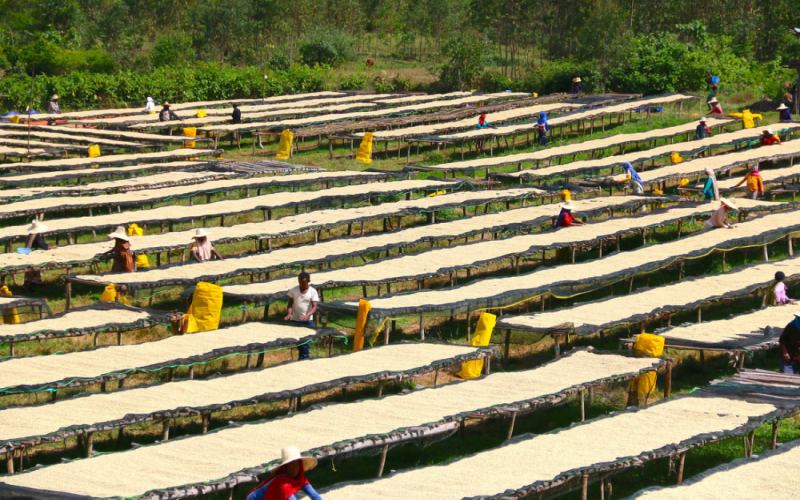
Why Does Ethiopian Coffee Taste Sour? A Brief Discussion of the Causes of Coffee Acidity and Key Tasting Points
The acidity in coffee often confuses beginners, especially beans from regions like Ethiopia Yirgacheffe, where the bright lemon-citrus acidity on the palate is often mistaken for spoilage. In fact, coffee's acidity is closely related to varietal genetics, growing environment, green bean processing, and roast level, with each region having its own characteristics. From the perspective of Front Street Coffee, this article analyzes the scientific reasons why coffee becomes sour, introduces the impact of light-to-medium roasting on acidity, and shares methods for regulating sourness through grind size, water temperature, and time in pour-over extraction. Finally, it includes the three-stage brewing parameters for Kenyan Little Tomato coffee beans to help enthusiasts understand the specialty coffee concept of balancing acidity with sweetness and bitterness. [more…]
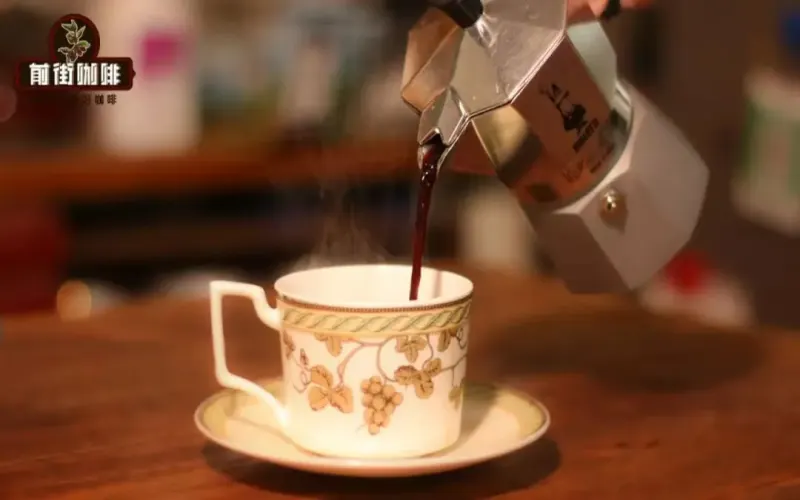
A Complete Analysis of Why Moka Pot Coffee Tastes Burnt and Bitter: The Three Key Factors of Channeling, Heat Control, and Grind & Water Amount
As a pressure-based extraction device, the moka pot is highly efficient but also extremely prone to over-extraction, and many coffee enthusiasts have experienced the trouble of burnt, bitter coffee with heavy off-flavors. After sharing moka pot-related content many times, Front Street Coffee found that channeling, excessively long heating time, and too-fine grinding with too much water are the three core causes of over-extracted moka pot coffee. This article will analyze the root causes one by one from the perspectives of even coffee distribution, initial water temperature and heat level, heat adjustment after liquid begins to flow, and the ratio of grind size to water amount, and provide practical improvement solutions to help everyone consistently make rich, delicious moka pot coffee. [more…]
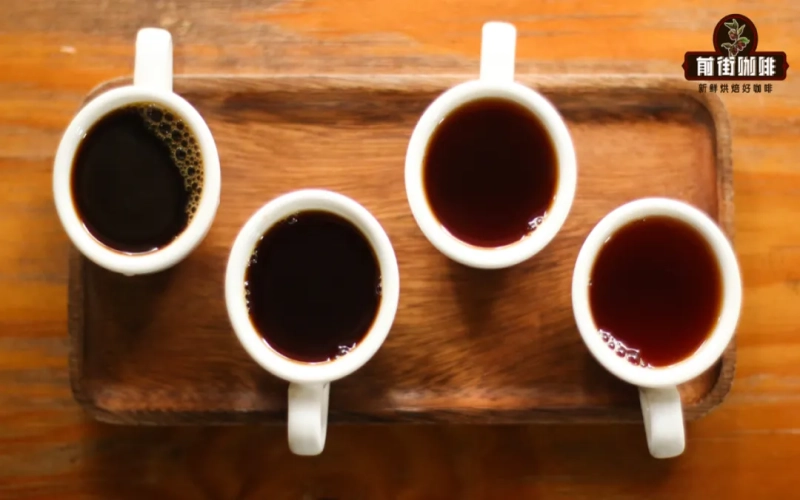
Why Does Hot Coffee Taste Different After It Cools? Analyzing the Differences Between Hot and Cold Coffee from the Perspectives of Taste Perception and Aroma Loss
Many people are used to being told that coffee should be drunk while it is hot, because once it cools, the flavor seems to deteriorate. But what exactly happens to coffee after it cools? How does temperature affect our perception of bitterness, acidity, and sweetness? What roles do aroma loss and the congealing of oils play? Starting from a tasting case of Front Street Hamashu, this article explains the real reasons why the taste of hot coffee changes as it cools, and clarifies that not all coffee tastes bad when it goes cold. If you also want to improve your tasting ability, the article also recommends several Front Street single-origin beans with highly distinctive flavors, helping you experience the full character of coffee at different temperatures. [more…]
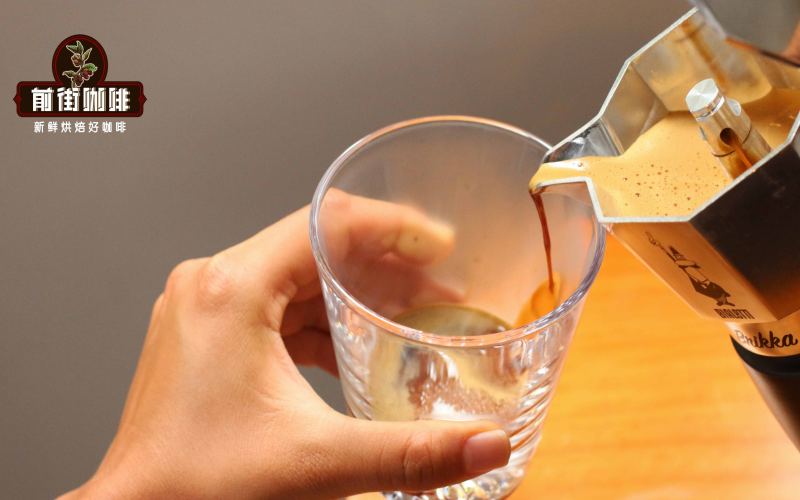
A Full Analysis of Why Moka Pot Coffee Tastes Bitter, Sour, or Burnt: Mastering Grind, Heat, and Bean Selection in One Go
Although the moka pot is simple to operate, brewing a balanced cup of coffee with it is no easy task. Many people run into problems such as coffee that is too bitter, too sour, or has a burnt taste, and these issues are often closely tied to details like bean selection, grind size, and heating method. This article starts from the extraction principle of the moka pot and analyzes, one by one, the various factors that affect flavor, including the suitable roast level for coffee beans, how to adjust the grind size, and the key points of controlling the heating intensity. It also introduces bean options suited to the moka pot, such as Front Street. Classic Italian Blend and Front Street. Golden Mandheling SOE, to help you easily make a rich, smooth moka pot coffee at home. [more…]
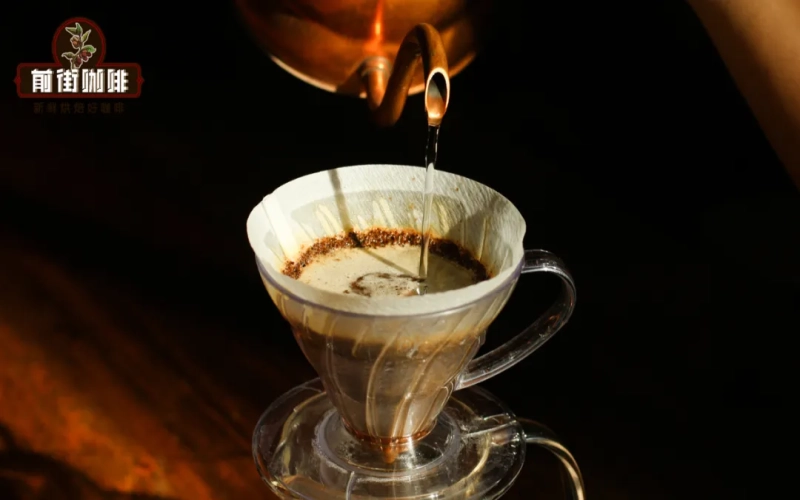
Can coffee grounds be brewed a second time? Analyzing why coffee, unlike tea leaves, cannot be repeatedly re-steeped from the perspective of extraction yield and flavor balance
A friend once asked while buying beans at the Front Street store: can coffee grounds that have already been brewed once be used again for a second cup? Some bloggers online have also demonstrated that a second brew can still yield decent flavor. From a practical standpoint, of course coffee grounds can be brewed again—even a third or fourth time. But "can be brewed" and "tastes good" are two entirely different matters. This article starts from actual tests on Front Street's Sidra, and combines the proportion of soluble matter, extraction yield control, and the differences in dissolution rates of acidity, sweetness, and bitterness to explain why coffee is usually brewed only once, and the fundamental reasons why a second brew tastes thin and lacks layering, before offering a conclusion that better suits the general palate. [more…]
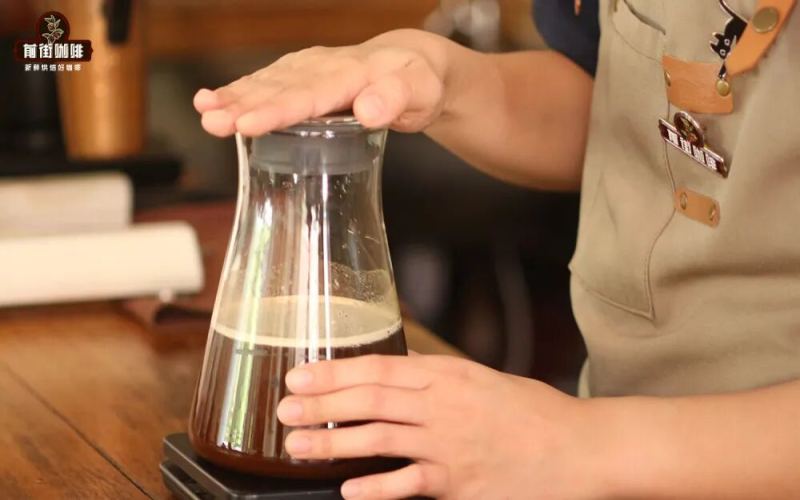
Cold brew coffee: room temperature water or warm water? Explaining why low-temperature extraction produces less acidity and a practical guide to fast extraction with warm water
Cold brew coffee has always been known for its long, low-temperature steeping, often requiring 5 to 24 hours when made with room-temperature water. To shorten the wait, some people have tried steeping coffee grounds in warm water. This article explores the differences between cold-water and warm-water extraction, the reasons why cold brew has lower acidity, and a warm-water cold brew comparison test using Front Street Coffee's Elida Catuai. It records the sensory differences between 3 hours in 45℃ warm water and 7 hours in room-temperature water, and offers bean selection advice and practical tips for warm-water cold brew. [more…]
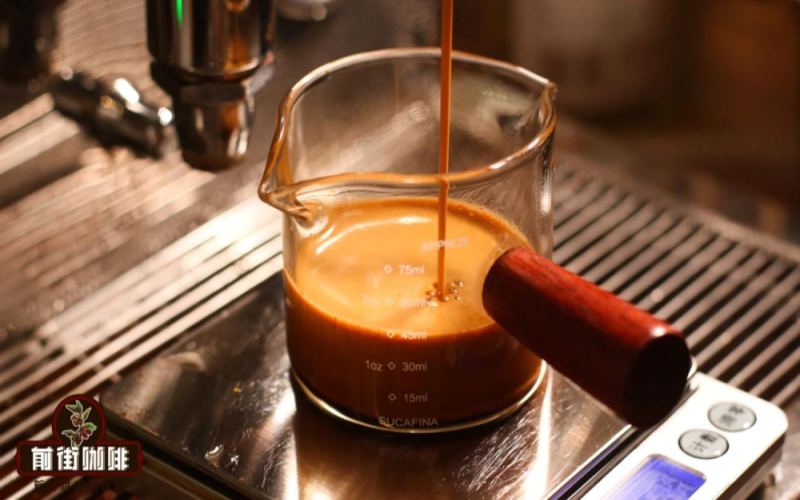
Five Major Reasons Why Espresso Has No Crema and Key Points for Making Italian Coffee Correctly
Extracting a rich, thick crema on an espresso shot is the goal of many coffee enthusiasts. But sometimes the espresso comes out with no crema at all—what in the world is going on? A proper espresso should be topped with a golden-brown crema about one-third the depth of the cup, with a creamy texture when swirled. If the crema is missing, the problem may lie with the coffee beans, the machine, the parameters, or the technique. Drawing on Front Street Coffee's hands-on experience, this article systematically breaks down the five most common causes—roast level of the beans, freshness, machine pressure, grind size, and water temperature—to help you quickly troubleshoot the issue and master the correct way to pull an espresso. [more…]
A Comprehensive Interpretation of the Coffee Flavor Wheel: From Compounds to Sensory Classification, Mastering the Correct Approach to Coffee Flavor Tasting
Every cup of coffee contains thousands of aromatic compounds, and these substances interweave into a complex and fascinating flavor profile. The coffee flavor wheel, developed through research by the SCAA (Specialty Coffee Association of America) in collaboration with several universities, provides tasters with a systematic descriptive language. This article will guide you through the origins and composition of coffee flavors, explain the meanings of approximately eighty-five flavors across nine major categories on the flavor wheel, and describe how floral, fruity, nutty, cocoa, spice, and fermented flavors form during roasting and processing. At the same time, we will also introduce the flavor characteristics of specific coffees such as Front Street Yirgacheffe, Front Street Geisha, and Front Street Mandheling, helping you more accurately identify and express coffee flavors in daily life. [more…]
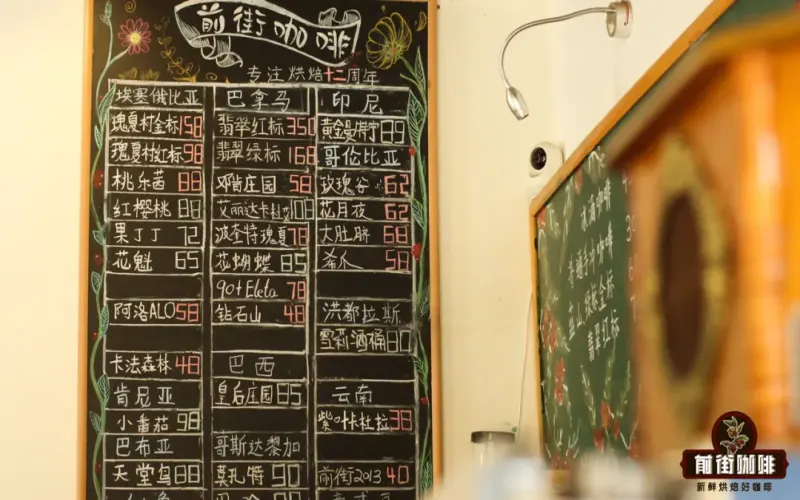
Why Is Contemporary Coffee Generally So Acidic? From Roasting Evolution to the Light/Dark Roast Choices for Blue Mountain and Huakui
In recent years, many coffee enthusiasts have noticed that most coffee on the market has a sour taste, which has sparked discussions about whether "good coffee must be sour." This article analyzes the reasons behind the widespread sourness in coffee from perspectives such as roasting history, the concept of specialty coffee, and the Nordic light-roast trend, while also clarifying the relationship between coffee quality and taste. At the same time, using specific products from Front Street Coffee such as Blue Mountain No. 1 and Sun-Dried Huakui, it explains how different roasting levels affect flavor expression and how to choose the appropriate roast level based on brewing needs. [more…]
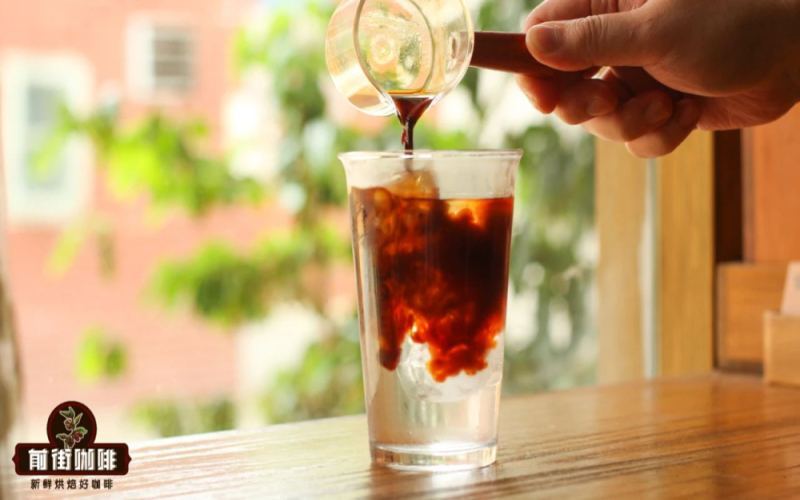
How to Choose Americano Coffee Beans That Aren't Sour? A Full Analysis of Hot vs. Cold Differences and Pour-Over Comparison
When many people drink Americano, their biggest concern is whether it is sour or bitter, and this is actually closely related to the choice of coffee beans, the extraction method, and the drinking temperature. Starting from Front Street Coffee's brewing experience, this article systematically sorts out the relationship between espresso and Americano, explains in detail the differences in flavor expression between hot Americano and iced Americano, analyzes the common reasons why Americano tastes bitter, and compares pour-over and SOE Americano made separately from the same Costa Rica Mozart coffee beans. Finally, according to different needs, it introduces the characteristics of several Front Street espresso blend coffee beans to help you find the Americano beans that suit your taste. [more…]
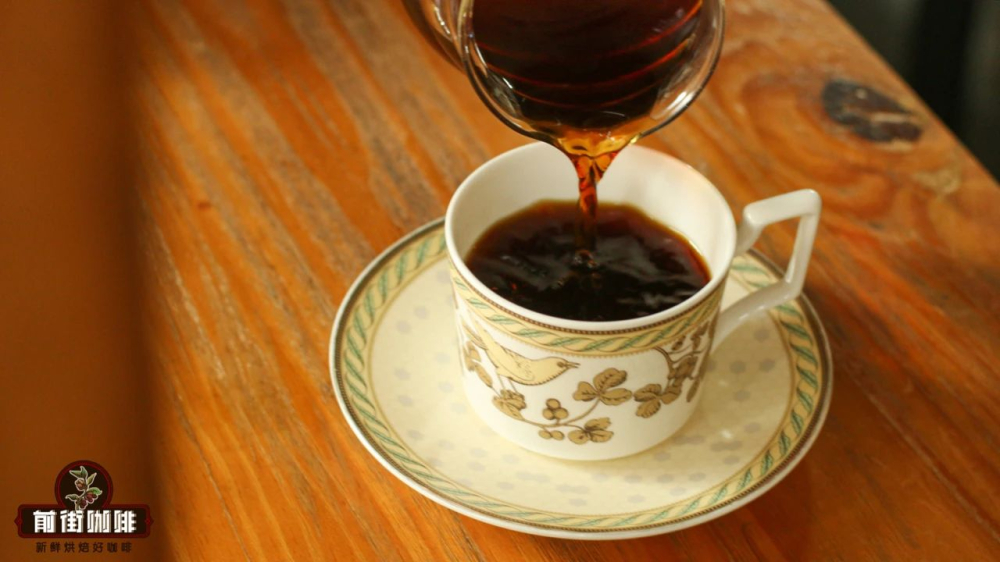
Pour-over black coffee drinking method | What is the best temperature for tasting coffee? Is there a big difference in coffee flavor at different temperatures? Can pour-over coffee be reheated after it cools down?
The saying "coffee should be drunk while it's hot" is something people often keep on their lips, and not without reason! Front Street Coffee remembers a coffee friend describing coffee after it had gone cold like this: "After one sip my head hurt so much, that bitter/sour + woody taste lingered in my mouth and wouldn't go away, and it made me withdraw for a long time~" Hot coffee left to cool [more…]